Karachi’s wedding season moves fast, and so does its catering industry. Menus are evolving, presentation standards are rising, and families are more selective than ever about who they trust with one of the most important days of their lives. If you’re currently planning a wedding, understanding both the future of catering in Karachi and how to actually select the right team for your event will save you stress, money, and more than a few headaches along the way.
In this guide, we’ll walk through where Karachi’s catering scene is heading, exactly how to choose a wedding caterer with confidence, and the most common wedding catering mistakes to avoid — the kind that quietly derail otherwise well-planned events.
Where Karachi Catering Is Headed
Karachi’s catering industry has shifted noticeably over the past few years, and understanding these changes helps you set realistic expectations when booking your own event.
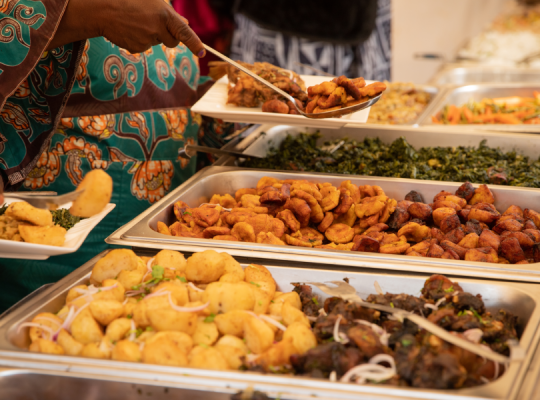
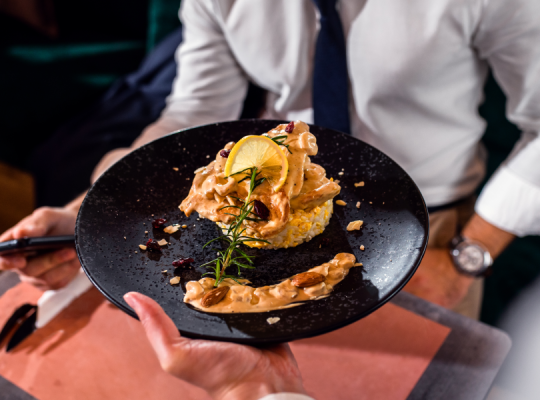
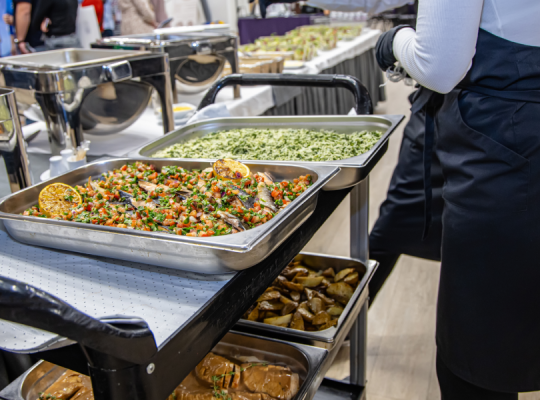
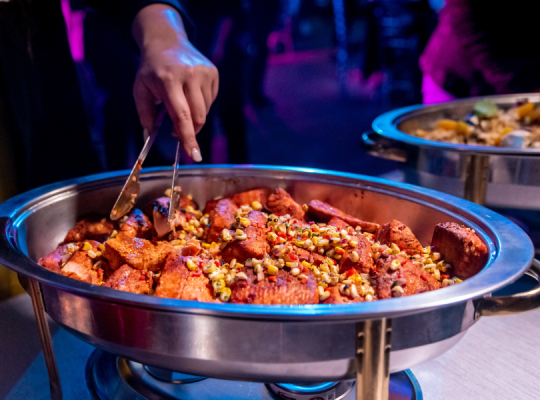
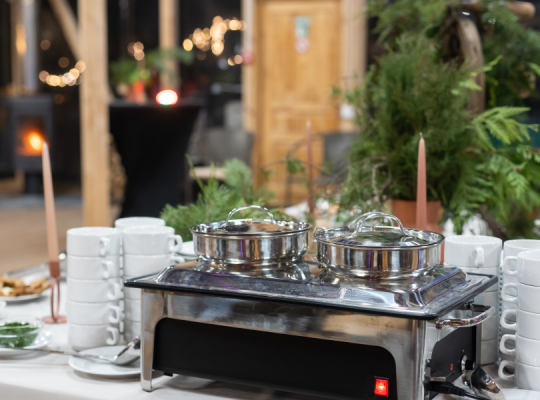
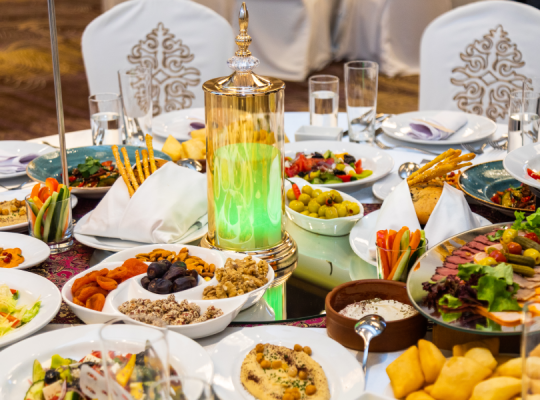
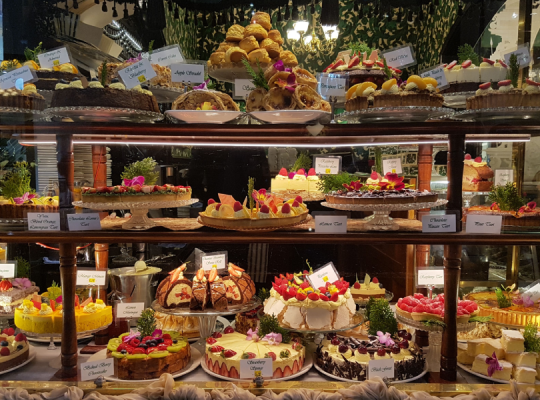
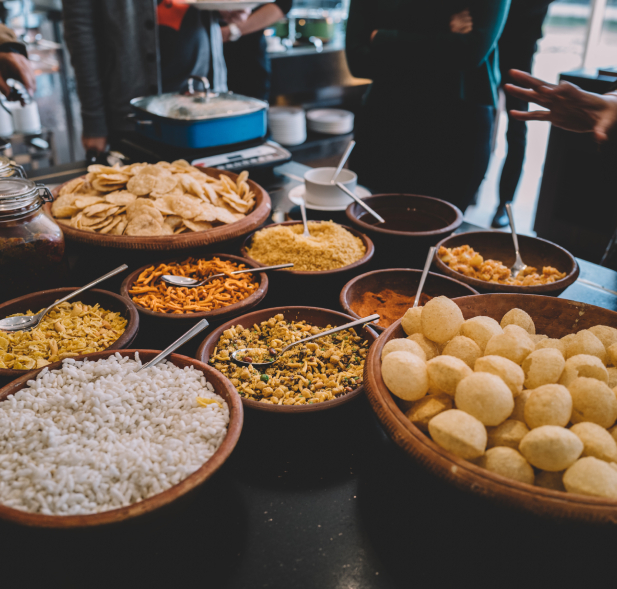
Presentation now matters as much as taste. Buffet setups have evolved from simple chafing dishes into fully designed visual experiences — think curated food stations, thematic table setups, and carefully styled dessert displays. Couples increasingly expect their catering to photograph beautifully, not just taste good.
Fusion menus are gaining ground. Traditional Pakistani wedding staples — biryani, karahi, BBQ platters — remain essential, but more caterers are blending in continental, Chinese, and even Mediterranean-inspired dishes to diversify their offerings across mehndi, valima, and reception events.
Sustainability is entering the conversation. More Karachi-based caterers are experimenting with reduced food waste practices and more thoughtful portioning, partly driven by client requests and partly by rising costs.
Technology is streamlining planning. From digital menu tastings to online booking and coordination, the process of hiring and communicating with a caterer has become considerably smoother than it was even a few years ago.
For a deeper dive into these shifts, our full breakdown on the future of catering in Karachi covers additional trends shaping the industry heading into 2026.
How to Choose a Wedding Caterer in Karachi
With so many options available across the city, narrowing down the right choice can feel overwhelming. Here’s a practical framework for how to choose a wedding caterer in Karachi without second-guessing yourself the whole way through.
1. Start with a tasting, not a portfolio. Photos and reviews matter, but nothing replaces an actual tasting session. Menus can look identical on paper and taste completely different in execution.
2. Ask about capacity, not just menu. A caterer who handles 50-guest gatherings beautifully may struggle with a 500-guest valima. Confirm they’ve handled events at your expected guest count before booking.
3. Clarify what’s actually included. Some packages include staff, serving equipment, and setup; others charge these separately. Get this in writing before comparing prices between vendors.
4. Ask about backup planning. Karachi weddings often involve tight timelines and high guest volumes. A caterer with a clear contingency plan for last-minute guest count changes or delays is worth more than one offering the lowest price with no flexibility.
5. Read between the lines on reviews. Look specifically for mentions of punctuality, food temperature at serving time, and how issues were handled — not just overall star ratings.
For a full, detailed walkthrough, our guide on how to choose the perfect wedding caterer in Karachi goes deeper into vetting questions and red flags to watch for during vendor meetings.
Wedding Catering Mistakes to Avoid
Even families with the best intentions and healthy budgets make avoidable errors during the catering selection and planning process. Here are the wedding catering mistakes to avoid that we see most often across mehndi, valima, and reception events in Karachi.
Booking too late. Popular caterers get booked out months in advance during peak wedding season. Waiting too long limits your options to whoever still has availability, not necessarily who’s the best fit.
Underestimating guest count. Karachi weddings are notorious for guest counts that swell beyond initial estimates. Caterers who don’t build in a reasonable buffer can leave you short on food during the event itself.
Ignoring dietary variety. With multi-generational and often multi-background guest lists, failing to account for dietary preferences or restrictions creates avoidable friction on the event day.
Focusing only on price. The cheapest quote often comes with hidden trade-offs — smaller portions, fewer staff, lower-quality ingredients, or unclear service inclusions. Compare value, not just the bottom-line number.
Skipping a written contract. Verbal agreements around menu items, guest counts, and pricing lead to disputes later. A clear written agreement protects both you and the caterer.
Not confirming setup and breakdown logistics. Buffet layout, serving staff numbers, and breakdown timing are easy to overlook until the day of the event, when it’s too late to fix.
For a full breakdown of these pitfalls and how to sidestep them, our dedicated post on mistakes to avoid when hiring wedding caterers walks through each in more detail, with practical prevention tips for each stage of planning.
Mehndi, Valima, and Reception: Different Events, Different Catering Needs
One detail that often gets overlooked is that Karachi weddings typically span multiple distinct events, each with its own catering rhythm. Mehndi catering tends to lean toward vibrant, colorful food stations and lighter, shareable dishes suited to a more relaxed, celebratory atmosphere. Valima catering, by contrast, is typically more formal, with structured plated or buffet service built around traditional main courses.
Choosing a caterer who understands these distinctions — and can tailor menu style, presentation, and service format to each specific event — often produces a more cohesive experience across your entire wedding week than trying to force one generic menu across every function.
Building Your Catering Timeline
A well-structured catering timeline prevents last-minute scrambling. As a general guide:
- 4-6 months before: Begin researching and scheduling tastings with your top caterer choices.
- 3-4 months before: Confirm your caterer, finalize menu selections, and sign a written contract.
- 6-8 weeks before: Lock in final guest count estimates and any dietary accommodation requests.
- 2 weeks before: Confirm final headcount, setup details, and service timeline with your caterer.
- Day before/day of: Reconfirm delivery times, setup access, and any last-minute logistics.
For more structured guidance on wedding logistics beyond catering, our Wedding Planning & Setup category covers additional planning resources worth reviewing alongside your catering decisions.
Why This Matters More Than Ever in 2026
As Karachi’s catering scene continues to professionalize — with better presentation standards, more diverse menus, and smoother booking processes — the gap between average caterers and exceptional ones is becoming more visible to clients. Couples and families who take the time to properly vet caterers, understand emerging trends, and avoid the common mistakes outlined above are consistently rewarded with smoother, more memorable events.
Ready to Plan Your Wedding Catering?
Whether you’re just starting to explore options or ready to book, understanding both where the industry is headed and how to avoid the pitfalls that trip up so many families puts you in a much stronger position. Explore our full Wedding Catering & Events resources, browse our Wedding Catering Services offerings, or reach out directly through our Contact page to start the conversation. Karachi Caterings is here to help make your event’s food as memorable as everything else you’re planning.